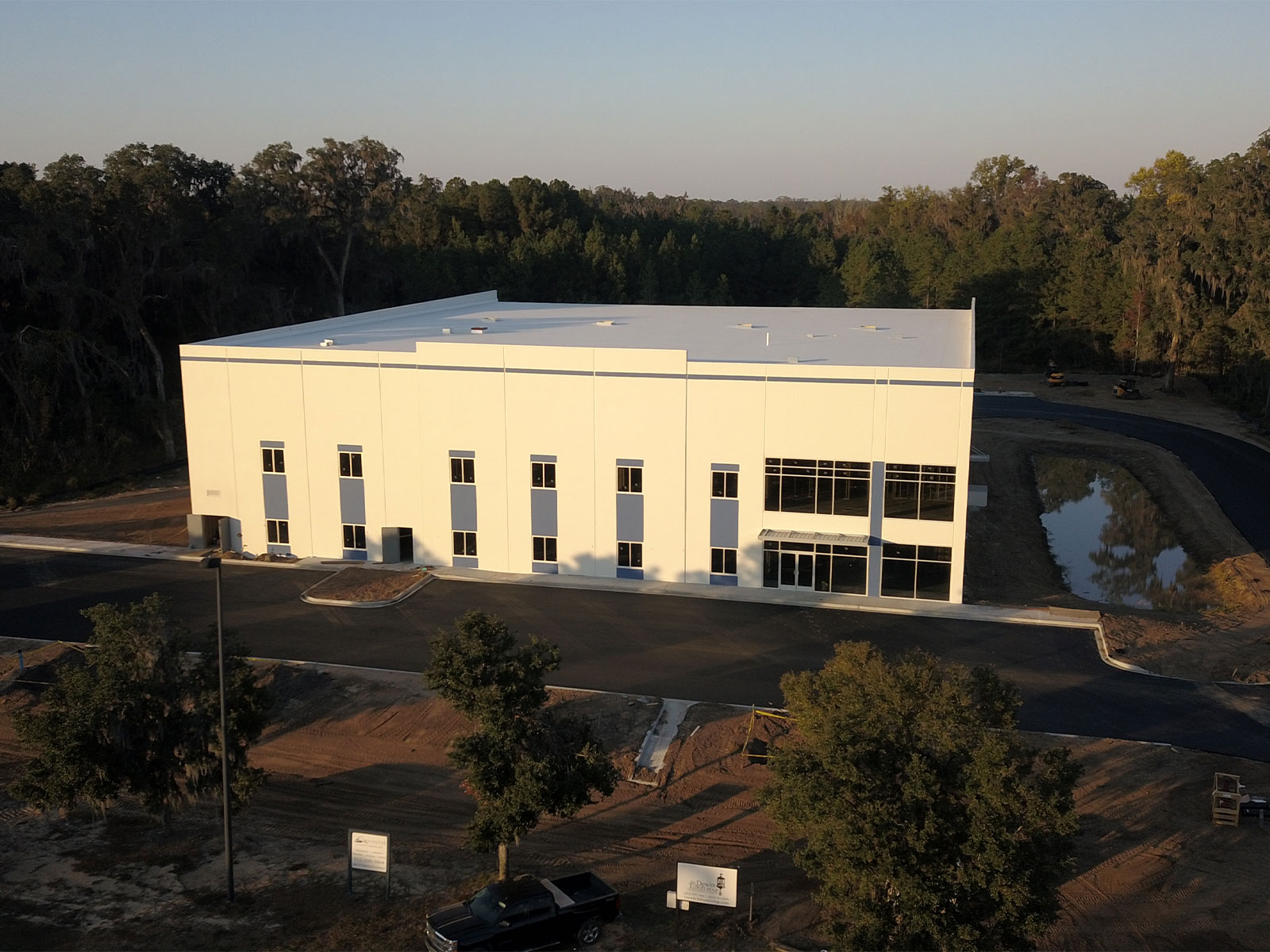

- Flex space offers versatile layouts that support office, storage, and operational needs, making it ideal for growing businesses in Coastal Georgia.
- Developers value its adaptability, strong leasing performance, and compatibility with the design build approach for efficient project delivery.
- Coastal Georgia’s commercial expansion, port activity, and fast-growing surrounding communities make flex buildings a smart long-term investment.
Flex space has gained real momentum in Coastal Georgia as businesses look for practical buildings that support work, storage, and customer needs in one location. Developers in the region are responding by investing in properties that blend office and industrial functionality, offering tenants room to operate and adapt as they grow.
Here’s why flex space aligns so well with the economic landscape in Coastal Georgia and why more developers are incorporating these projects into their commercial portfolios.
A Region Shaped by Steady Commercial Growth
Coastal Georgia continues to attract businesses with varied operational needs, and flex space fits that mix well. Before looking at specific benefits, it helps to see why this building type matches the region’s pace of growth.
A Layout That Supports Daily Operations
Many Coastal Georgia businesses rely on a combination of office work, material handling, and customer interaction. Flex space keeps these functions connected. A contractor can meet clients in the office, store equipment in the warehouse section, and dispatch teams from the same location.
A specialty retailer can operate a small showroom in the front while keeping inventory in the back. This integrated setup supports smoother workflows and reduces time lost to inefficient layouts.
A Space That Adapts as Needs Change
Growth is a realistic objective for many companies moving into the area. Flex buildings give tenants the ability to expand without relocating. Interior adjustments are simpler and more affordable than in traditional office or warehouse structures. Tenants appreciate the ability to refine their setup as their operations develop. For developers, this adaptability often results in longer leases and more stable occupancy.
Broad Appeal Across Industries
Flex space attracts businesses that appreciate a balanced approach to office and operational needs. Construction trades, service providers, logistics support firms, light manufacturers, equipment suppliers, and specialty retailers all find value in this type of layout. This broad appeal gives developers a healthier pool of prospective tenants and helps maintain occupancy even as markets shift.
Why Flex Space Works Well for Developers
Flex buildings offer advantages that appeal to developers seeking reliable, long-term performance. A few key traits help explain why these structures have become such a popular investment.
Reliable Occupancy Through Versatility
Developers often value flex buildings for their ability to attract various industries. Because the layout can support everything from administrative work to light storage or distribution, the building rarely becomes outdated or difficult to lease. When a tenant leaves, another can usually move in without major renovations. This reduces downtime and contributes to steady income.
Attractive to Tenants Who Want Simplicity
Another benefit is the speed at which flex buildings tend to lease. Tenants are drawn to the practicality of a space that is already configured for multiple uses. They do not need an extensive redesign to get started. For developers, this means fewer costly change orders and smoother transitions between incoming and outgoing tenants.
A Strong Fit for the Design-Build Approach
Design-build teams are well-positioned to deliver flex space projects because they manage planning and construction within a single process. This approach keeps the building focused on functionality from the earliest design discussions through completion. Developers gain clear communication, predictable timelines, and a property shaped with efficiency in mind.
This integrated method works especially well for flex structures since they depend on thoughtful planning to support multiple types of tenants.
Long-Term Value in a Growing Market
Flex properties tend to hold their relevance over time because they do not limit themselves to one kind of business. As Coastal Georgia develops further, the region will continue attracting a mix of industries, and this variety benefits properties that can adjust to different uses. Developers gain a building that remains desirable even as market trends change.
Why Coastal Georgia Is an Ideal Market for Flex Development
Flex buildings perform especially well in markets with steady industry growth, and Coastal Georgia fits that profile. Several regional factors contribute to their success.
Strong Commercial Expansion
The Savannah area continues to welcome companies involved in distribution, equipment rentals, construction support, and specialty services. These businesses value locations that offer both accessibility and functional space. Flex buildings meet these expectations by combining office and workspace efficiently, which positions them as an appealing solution for companies setting up or expanding in the region.
Influence of the Port of Savannah
The port plays a central role in shaping regional demand for commercial space. Companies connected to distribution, transportation, and logistics often depend on facilities that integrate administrative work with operational activity. Flex space supports these requirements by providing areas for coordination, storage, and management on a single site.
Growth in Surrounding Communities
Beyond Savannah itself, communities like Pooler, Richmond Hill, Port Wentworth, and Rincon are experiencing steady development. These areas attract businesses that want immediate occupancy and room to grow. Flex buildings offer both, making them a smart investment for developers planning to build in high-demand markets.
Design Considerations for a Successful Flex Project
Thoughtful planning helps ensure a flex building appeals to a wide range of tenants. The details below highlight what many developers focus on during the design stage.
Functional Exterior and Site Layout
Tenants respond well to buildings that present a clean and organized appearance. Straightforward site access, practical parking arrangements, and a layout that accommodates deliveries or service vehicles all contribute to a smooth daily routine. These site features give tenants confidence that the property can support their operations from day one.
Interior Configurations That Support Multiple Uses
A successful flex building offers the freedom to expand or restructure the interior without complex construction. Clear span warehouse areas, adjustable office framing, and open interiors allow businesses to customize their space. This flexibility is one of the strongest selling points for tenants who expect their needs to evolve.
Quality Construction and Efficient Systems
Developers who focus on sturdy materials and well-planned mechanical systems often see stronger long-term performance. Quality construction keeps maintenance manageable and helps the building remain appealing to future tenants. Developers gain a property that performs consistently and retains its value over time.
The Lasting Appeal of Flex Space in Coastal Georgia
Flex space has established itself as a dependable option for both developers and tenants in Coastal Georgia. Its adaptability matches the needs of modern businesses, and its versatility helps developers maintain stable occupancy. As the region continues to attract new commercial activity, these properties remain well-positioned to serve a diverse group of tenants.
Flex space continues to gain traction in this region, and we at Dewitt Tilton Group are here to help you plan a project that fits local demand. Reach out to our team to talk through your ideas and next steps.